15 Things You Don't Know About Filtered Coffee Makers


Filtered Coffee Makers
A coffeemaker that is filtered dispensing hot coffee over ground coffee in an aluminized basket filter, capturing flavor and transferring to a carafe beneath. Some models use metal filters that can be reused, reducing costs and waste over the course of time.
They're usually cheaper than pod machines and can provide a more flavorful cup of coffee. There are models that are super simple, and some with a range of clever settings.
User-Friendliness
The best filter coffee makers are made with user-friendliness in mind. The control panel is typically simple, with only an on/off switch and possibly a cool/warm button. They also come with a carafe which produces multiple coffee servings simultaneously. This can save you time.
Paper filters are the most popular for these kinds of coffee makers, and can be found in a variety of sizes and styles. They can also be purchased in bulk, which can help cut down on the total cost. They are also recyclable and biodegradable, making them a great option for those who care about the environment. Some brands might even mention whether they're bleached using chlorine or an oxygen one which can be beneficial to the environment.
Certain models of filter coffee makers include permanent filters that are reusable and could save you money in the long run. They should be cleaned after each brew, and cleaned thoroughly at least once per month to ensure they are well-maintained and clean. These filters can be bought in different sizes and shapes, including triangles and squares and are available in bleached or unbleached varieties. Unbleached filters are generally brown in color and are considered to be less harmful to the environment than bleached filters.
It is also recommended to use water that has been filtered for your coffee maker with filtered water to lower the risk of mineral build-up on heating elements. According to Kayla Stavridis a barista, it could cause damage to the machine and decrease its efficiency.
The temperature and the time of the water, as well as the pressure can also affect the taste of filtered coffee. A lower than recommended pressure could result in a lack of extraction, and excessive pressure could cause scorching of the grounds, resulting in bitterness. It is important to find the right balance between these two factors to get the most effective results.
Cleaning Made Easy
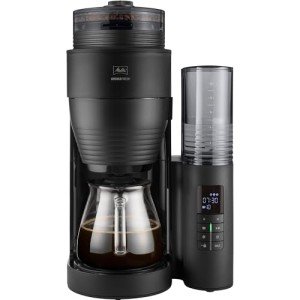
When choosing a coffee maker, people don't always consider the ease of cleaning. However, since most users use these machines several times per day (and often more than once) this is an important consideration. We analyzed whether the device is easy to clean after brewing, and how often it must be cleaned in order to prevent the build-up of coffee oil.
The Moccamaster KBG Select is the most simple filter coffee maker to clean. It has a unique copper heating element to ensure the perfect temperature (92-96C) which helps create the best flavor. Coffeee UK 's also very simple to use, and the minimalist design looks stunning on any work surface.
It comes with a variety of filters (which can be made of paper or metal mesh) and the ability to adjust the volume of the brew. Paper filters can leave a spongy taste in the coffee. It is best to wash and dispose of the filter after each use. A few people have reported that pre-wetting the filter with hot water prior to adding ground coffee can eliminate this problem.
The capacity and size of the filter coffee maker is another advantage. It can brew up to 12 cups of coffee, which is perfect for sharing with family or guests. In comparison, many pod coffee makers are able to only make four cups at one time.
It's worth noting that filter coffee makers are usually less expensive than other coffee machines, especially when you select a permanent filter option. Buying a package of paper filters could cost you a lot over time, but the cost of reusable filters is one-third of the price and will be paid for in no time at all. There's also the added benefit of not having to deal with coffee grounds that can be painful to the neck to dispose of.
Affordability
A filter coffee maker is a better investment than buying multiple boxes of coffee pods that are already packaged. You'll also save time if you use the same machine to make both hot and cold drinks. You can also reduce the amount of waste you produce by choosing a model that uses permanent filters. These filters are generally less expensive than paper alternatives and will ensure that your drinks are delicious without any of the extra chemicals that are present in certain pods.
The best coffee makers that filter for home are made by reputable brands that have a reputation for durability and performance. Many models let you adjust the strength of your drink and will provide different sizes of cups with the click of the button. If you need to brew a large amount of filter coffee at once, it's worth looking for one that can make up to 12 cups.
You can choose a coffee maker that is in line with your kitchen's aesthetic. Certain brands offer models with an elegant Scandi design and others with modern, minimalist design. If you're concerned about the impact your choice may impact your kitchen's energy usage, you should consider a model with an induction heating system.
An alternative to a drip coffee maker is a Moka Pot, which produces espresso-like brews right on your stovetop. The Moka Pot uses steam pressure to push hot water through the ground coffee and upwards into a collecting chamber. You can then dilute the concentrate by adding milk or water to create different drinks.
A manual pour-over device like the Hario or AeroPress is a second alternative. You'll need a coffee filter with these machines, so ensure you choose one that fits your cup. You'll need a carafe with a strong base that can withstand heat shock.
You'll have decide if you want a model with metal or cloth filter. Metal filters have bigger holes that allow more coffee flavor and granules to pass through. Cloth filters, on contrary, hold more of the brewed oils and provide an even smoother finish.
Versatility
Filter coffee makers permit you to brew large quantities in one go for your family, friends or colleagues. It is easy to use and no prior knowledge or previous experience is required. Simply fill the reservoir with water, then place ground coffee in the filter basket, and turn it on. They are also less expensive than capsule or pod machines, and you can use any type of ground coffee you want. They are also more environmentally friendly than other types of brewing devices because they eliminate the need to dispose of coffee pods or capsules.
Some coffee makers with filters come with a simple switch for on/off while others are more sophisticated and provide a variety of sophisticated settings that give you total control over the brewing procedure. You can select the amount of coffee you want to make as well as the strength of the brew and whether to stop the brewing process or end the cup before the complete brew is completed. You can set a timer to ensure that your coffee is ready when you need it.
The type of coffee that you choose to use can also impact the quality of the brew. You can choose from an array of choices from light to dark roasts, each having their own unique aroma and flavor profile. Using the right type of filter can improve the taste of your brew. While paper filters are generally the most popular choice for programmable drip coffee makers, there are also reusable metal filters that can improve taste and flavor. They are also environmentally friendly and biodegradable.
Paper or reusable filters can be used in your filter coffee maker. However, both can transfer foreign flavors and odors into your brew. In addition, the shape of your filter will also impact your coffee's final taste. Cone-shaped filters are more efficient in ensuring optimal coffee saturation and extraction as opposed to basket-shaped filters.
There are a variety of methods of making filter coffee, such as the Chemex and Hario V60, but the most suitable method for you is really an individual choice. Filter coffee is generally lighter and more delicate, and can showcase subtle citrus or floral flavours. Cafetiere coffee is more intense, however, and can help you discover deeper flavors like chocolatey caramel.